yazdanbakhsh#
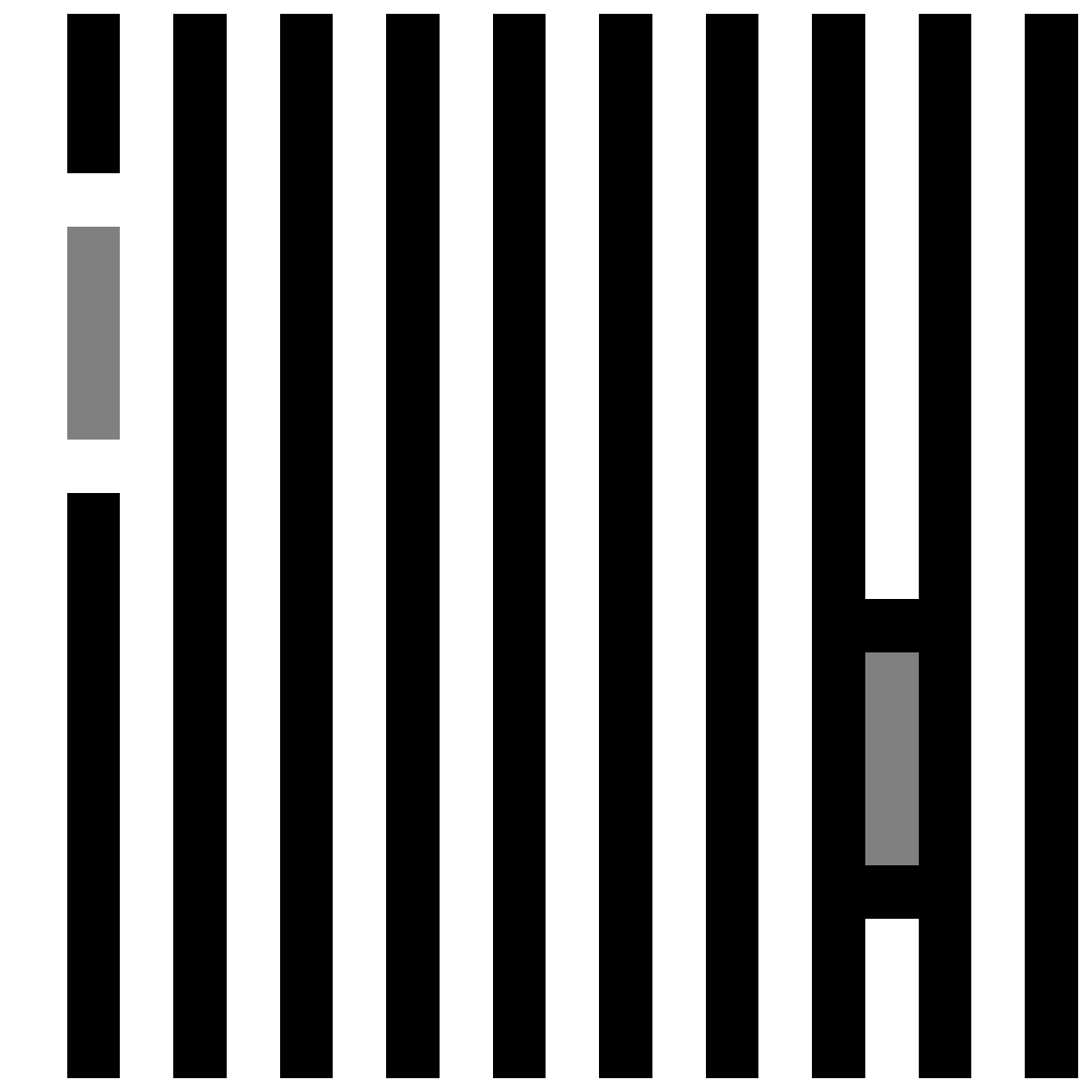
You can find an interactive version of this example here
- stimupy.stimuli.whites.yazdanbakhsh(visual_size=None, ppd=None, shape=None, frequency=None, n_bars=None, bar_width=None, period='ignore', intensity_bars=(0.0, 1.0), intensity_target=0.5, target_indices_top=None, target_indices_bottom=None, target_center_offset=0, target_heights=None, gap_size=None, round_phase_width=True)#
Yazsdanbakhsh variation of White’s stimulus
- Parameters:
visual_size (Sequence[Number, Number], Number, or None (default)) – visual size [height, width] of image, in degrees
ppd (Sequence[Number, Number], Number, or None (default)) – pixels per degree [vertical, horizontal]
shape (Sequence[Number, Number], Number, or None (default)) – shape [height, width] of image, in pixels
frequency (Number, or None (default)) – spatial frequency of grating, in cycles per degree visual angle
n_bars (int, or None (default)) – number of bars in the grating
bar_width (Number, or None (default)) – width of a single bar, in degrees visual angle
period ("even", "odd", "either" or "ignore" (default)) – ensure whether the grating has “even” number of phases, “odd” number of phases, either or whether not to round the number of phases (“ignore”)
intensity_target (float) – intensity value of target
target_indices_top (int or tuple of ints) – bar indices where top target(s) will be placed. As many targets as ints.
target_indices_bottom (int or tuple of ints) – bar indices where bottom target(s) will be placed. As many targets as ints.
target_center_offset (float) – offset from target centers to image center in degree visual angle.
target_heights (float, or Sequence[float, ...]) – height of targets in degrees visual angle
gap_size (float) – size of gap between target and grating bar
round_phase_width (Bool) – if True (default), round phase width of grating
- Returns:
dict with the stimulus (key: “img”), mask with integer index for each target (key: “mask”), and additional keys containing stimulus parameters
- Return type:
References
- Yazdanbakhsh, A., Arabzadeh, E., Babadi, B., and Fazl, A. (2002).
Munker-White-like illusions without T-junctions. Perception 31, 711-715. https://doi.org/10.1068/p3348